Hot Spots Strike Fast: What to Look for in a Spray for Your Dog
Skin & Coat·September 29, 2026
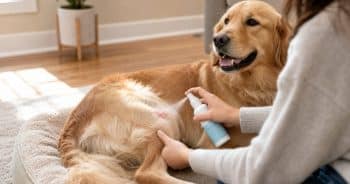
Dog owners know the scenario. A small red patch appears, and a few hours later it has become a raw, weeping sore that the dog will not stop licking. Vets call these lesions acute moist dermatitis, and they rank among the most common skin problems seen in dogs.
The speed is what makes hot spots so frustrating. Licking, chewing and scratching irritate the skin, which triggers more licking, and the cycle feeds itself. Moisture trapped under a thick coat makes it worse, which is why flare-ups often follow swimming, baths that were not dried thoroughly, or humid weather.
That is why a wave of product roundups on hot spot sprays keeps circulating, including a recent list of seven picks for 2026 from iHeartDogs. Sprays are popular because they are easy to apply, need no rubbing, and can be used on a spot the dog is already sensitive about. Many combine soothing ingredients meant to calm itching and keep the area clean, and some add a bitter or deterrent element to discourage licking.
When comparing products, a few points matter more than the marketing. Look for a formula designed for dogs, with a clear ingredient list. Check whether it is meant for mild irritation or for use alongside veterinary treatment. Avoid anything that stings on broken skin, since a painful spray can make a dog more anxious about the area and lead to more licking.
Sprays are best seen as first aid and support, not a cure. Underlying causes such as flea allergy, food or environmental allergies, ear infections, anal gland problems or joint pain that prompts a dog to chew one spot can all drive recurring hot spots. If the sore is spreading, smells bad, is very painful, or does not improve within a day or two, a vet visit is the safer step. Deeper infections often need prescription medication, and clipping the fur around the lesion is usually part of proper treatment.
Prevention helps too. Dry your dog fully after water play, keep up with regular grooming, stay on top of flea control, and talk to your vet if flare-ups keep returning. An e-collar or soft recovery cone can also stop the licking long enough for skin to heal.
Note that iHeartDogs says it may earn affiliate commissions on purchases made through links in its guide, so owners should weigh any product ranking with that in mind and confirm choices with their veterinarian.
Reporting based on an external source.