Community Cat Program Gives Strays Care and Vet Students Hands-On Practice
Community Cats·September 29, 2026
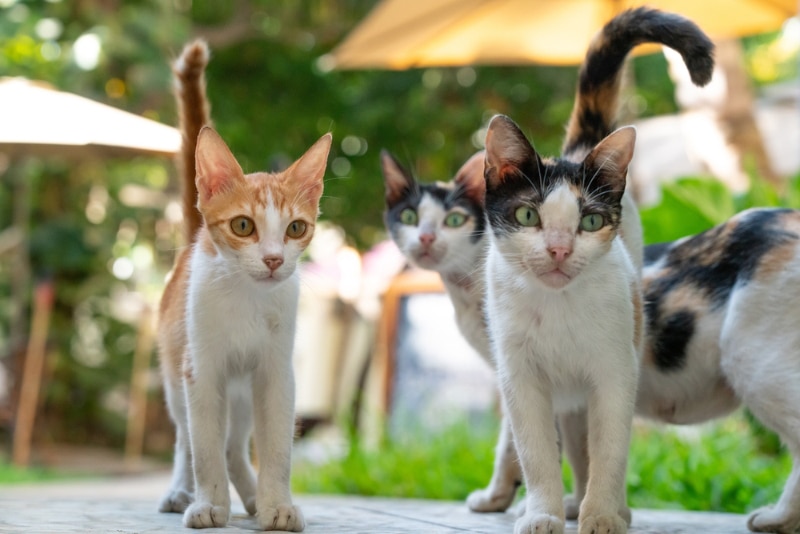
Few animal welfare topics split a neighborhood like free-roaming cats. To some residents, the cats that stalk parking lots and alleys are familiar neighbors who deserve food, shelter and medical care. To others, they raise real concerns about the animals' own welfare, public health risks and the toll cats can take on native wildlife.
A community trap-neuter-return (TNR) project is offering a practical middle path, and it is doing so with an unexpected partner: veterinary students.
The basic idea behind TNR is simple. Community cats are humanely trapped, sterilized, vaccinated and marked, usually with a small ear tip, before being returned to the place they were found. Because the cats can no longer reproduce, colonies stop growing over time, and the behaviors tied to mating, such as yowling, fighting and roaming, tend to ease. Supporters say this approach addresses many of the complaints neighbors have, without the heavy costs and poor track record of trying to remove cats from an area.
What makes this project stand out is who does the hands-on work. Students training to become veterinarians take part in the sterilization and care of the cats, getting supervised practice with the kind of high-volume surgery that shelters and clinics rely on every day. That experience is hard to replicate in a classroom, and the demand for it is growing as more vet school graduates head into shelter medicine and community practice.
For the cats, the benefit is direct. Animals that might never see a veterinarian receive surgery, vaccines and a health check. For the students, each case is a chance to build technical skill, learn to work efficiently and see how population-level programs differ from treating a single pet in a private clinic.
The community gains too. Fewer kittens being born outdoors means fewer animals entering overcrowded shelters, and fewer of them facing the dangers of life on the street. Programs like this also give residents a constructive way to act on their concerns instead of arguing over whether the cats should be there at all.
Debate over community cats is unlikely to disappear. Concerns about wildlife and disease are legitimate, and TNR works best when it is well organized, sustained and paired with responsible feeding and outreach. Still, partnerships that pair a real community need with an educational one show how a contested issue can produce results that help animals, people and the next generation of veterinarians at once.
Anyone interested in helping a local colony can start by contacting a nearby shelter, rescue group or veterinary school to ask whether a TNR program is running, and how volunteers can get involved.
Reporting based on an external source.