Cat Throws Up After Drinking? What Your Vet Wants You to Notice
Cat Health·September 29, 2026
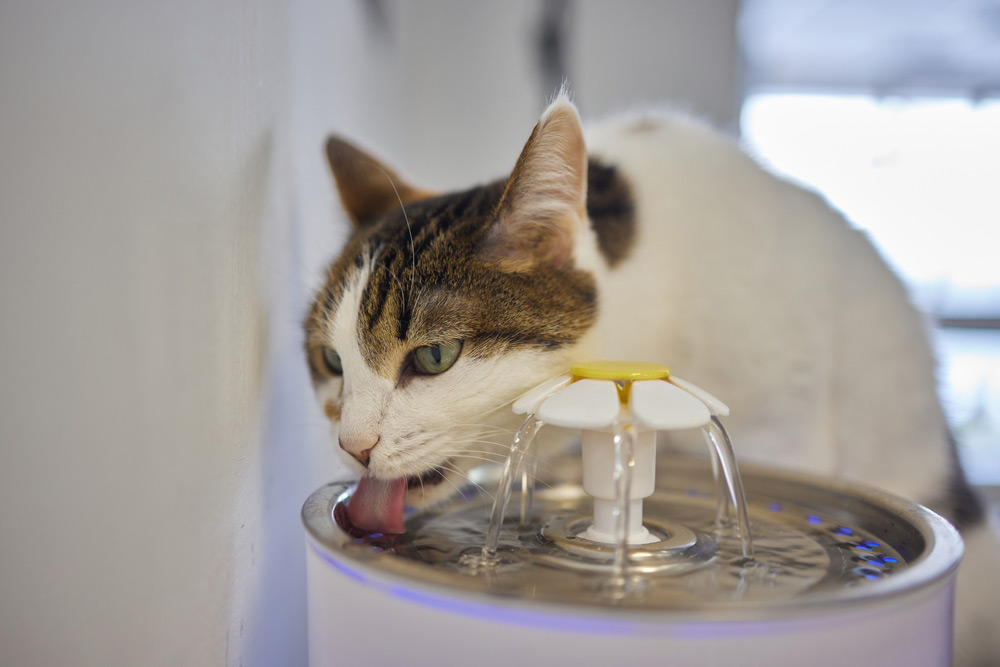
It looks like a small comedy at first. A cat laps up water, pauses, and then sends most of it straight back onto the floor. For many owners the scene is more baffling than alarming, but it raises a fair question: is this normal, or is something wrong?
Sometimes the answer is refreshingly simple. A cat that has been thirsty, or one that swallows a big volume of water in a short burst, can overload a stomach that is not ready for it. The water comes back up quickly, often looking clear or slightly foamy, and the cat carries on as if nothing happened. A single incident like this, in an otherwise bright and hungry animal, is usually not a cause for worry.
The pattern is what matters. If the vomiting happens again and again, the explanation is less likely to be greed for water and more likely to be a health problem. Repeated vomiting after drinking can point to digestive irritation, gastritis, hairballs, or a blockage. It can also be linked to systemic conditions such as kidney disease or diabetes, which often make cats drink far more than usual in the first place. In that case the extra thirst is the clue, and the vomiting is the symptom that finally gets noticed.
Owners can help their vet by paying attention to details. How soon after drinking does the cat vomit? Is it only water, or is there food or fur in it? Has the cat's appetite, energy, or litter box behavior changed? Is the cat suddenly drinking much more, or seeking out odd water sources like taps and toilets? Writing these observations down, or taking a short video, can make a real difference during an appointment.
There are also practical steps at home. Cats that gulp can be encouraged to slow down by offering smaller amounts of water more often, or by using a wider bowl or a fountain that keeps water fresh and flowing. Making sure water is available in several spots can reduce the urge to drink a lot at once after a long gap. Clean bowls matter too, since some cats avoid stale water and then drink greedily when they finally give in.
Know when to stop waiting. Contact a vet promptly if the vomiting continues over more than a day, if the cat refuses food, seems lethargic, loses weight, or shows signs of pain or dehydration. Cats that cannot keep water down are at risk of becoming dehydrated quickly, and that can turn a minor issue into an urgent one.
In short, one wet mishap is rarely a crisis. A routine of it is a message from your cat, and worth taking seriously.
Reporting based on an external source.